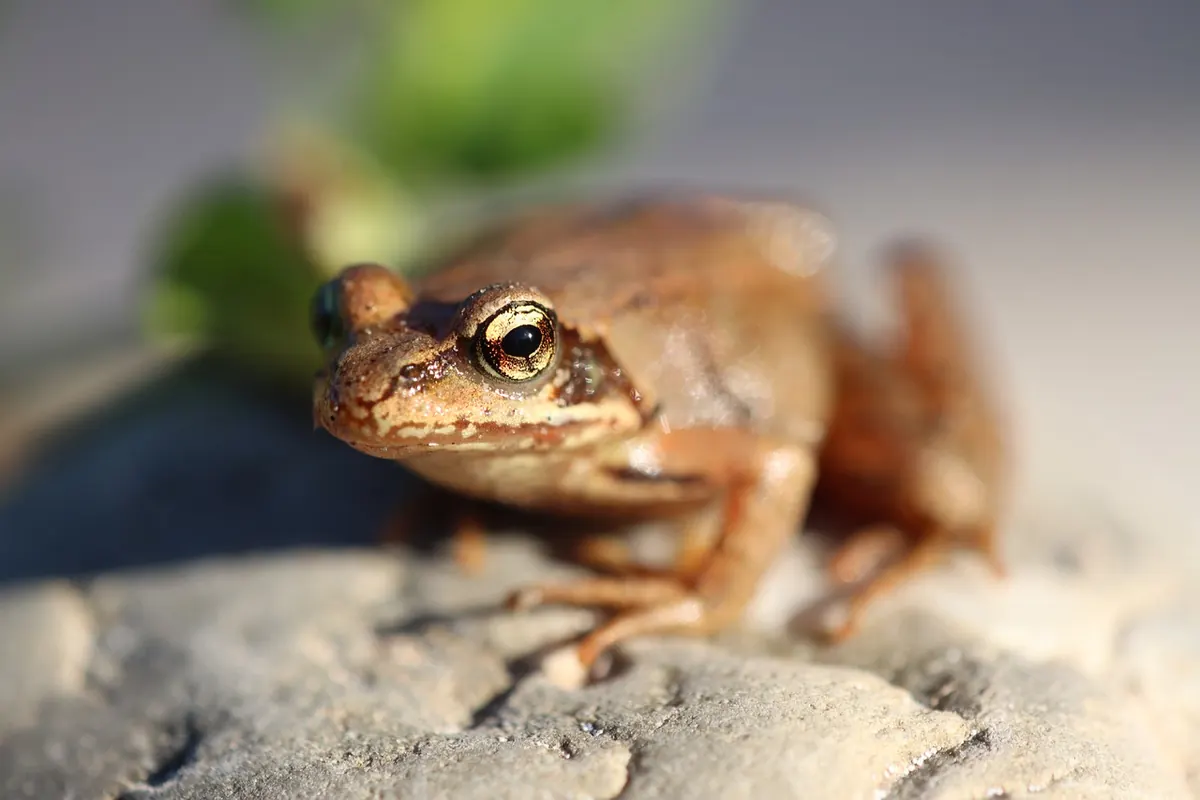
How to Survey Frogs and Toads in Your Local Marsh
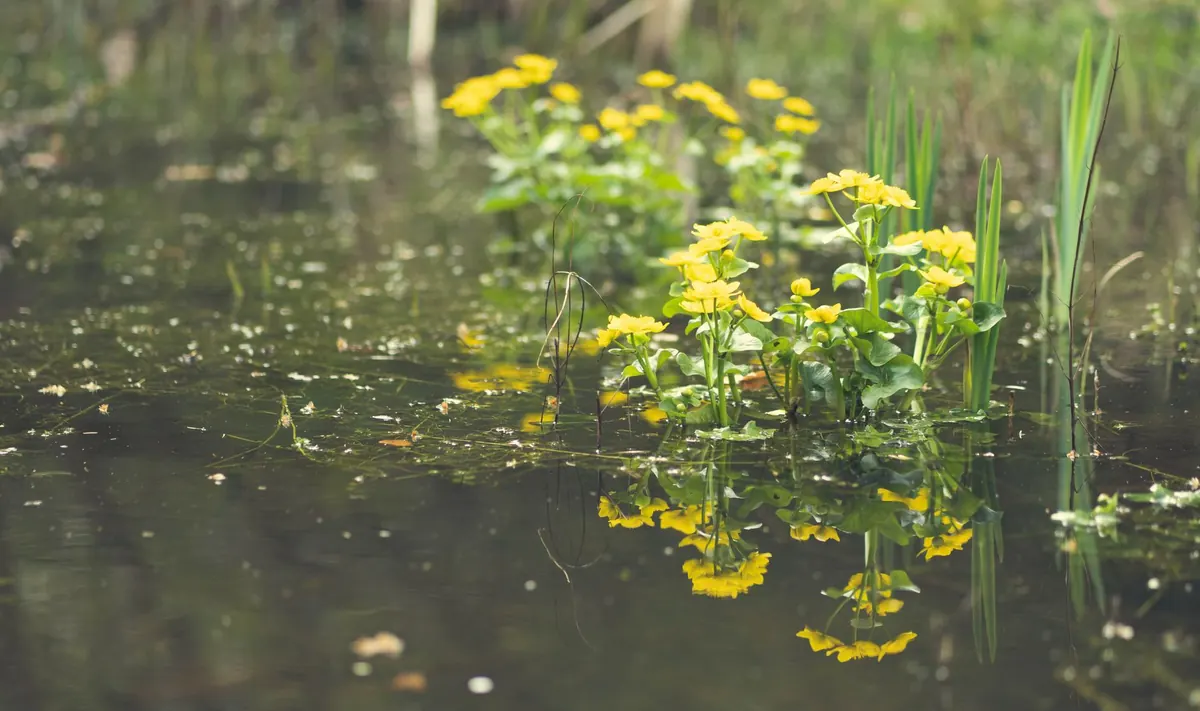
A marsh in early spring is one of the best places to be. The light is low, the water is cold, and somewhere in the reeds a male common frog is making a sound somewhere between a purr and a badly tuned engine. For anyone interested in amphibians, that first chorus of the year is worth waiting for.
Surveying frogs and toads does not require a licence, expensive equipment or a science degree. It requires patience, a torch, a notebook and a willingness to get your boots muddy. Whether you are monitoring a village pond, a boggy corner of a nature reserve or the wet hollow at the end of your garden, the methods below will give you useful records. Better still, they are repeatable, so you can compare one year with the next and spot changes before they become problems.
Start with the calendar, not the kit
Timing matters more than anything else. In most of the UK, common frogs are the first to arrive, often spawning in late winter and early spring, sometimes while frost still sits on the margins. Common toads follow a few weeks later, usually when night temperatures hold above roughly five or six degrees. Natterjack toads, if you are lucky enough to live near a suitable site, tend to be later still.
That means your survey season runs from about January to April for spawning activity, with call and refugia checks carrying on well into summer. Visit too late and you will find nothing but algae and a few disappointed newts.
Counting spawn without disturbing it
Spawn counts are the simplest reliable method for frogs, and they tell you far more than a casual glance. One clump of frog spawn can contain hundreds of eggs, so counting clumps rather than eggs gives you a consistent measure you can repeat each year.
Walk the shallow margins slowly, ideally from the bank rather than wading in. Frog spawn sits in rounded clumps near the surface, often in the warmest, shallowest water. Toad spawn is completely different, laid in long double strings wound around submerged stems, so record the two separately. A few practical points:
- Count from a distance where possible and avoid stepping into the water, which stirs up silt and disturbs eggs.
- Use a stick or your eyes rather than your hands to part vegetation.
- Note the date, water temperature if you have a thermometer and the approximate number of clumps or strings.
- Repeat the count weekly through the spawning period, as clumps break up and become hard to identify after a few weeks.
- If spawn is clearly desiccating in a drying pool, record that too. It is useful information, even though it is dispiriting to see.
Wash your hands afterwards. Amphibian spawn is not dangerous to people, but it is worth treating wetland water with the same caution you would any outdoor water source.
Listening for calls after dark
Call surveys are perfect for marshes, where the water is often too deep, too wide or too thick with reeds to count anything at all. Males call to attract females, and each species has its own sound once you learn it.
Common frogs produce a low, rolling croak, often described as sounding like a distant motorbike. Common toads give a thin, high trill that carries surprisingly well. Marsh frogs, present in parts of southern England, are loud and unmistakable once heard. Go out after dusk, ideally on a mild, damp, still evening, and stand quietly for several minutes before you start. Rushing this is the most common mistake.
Getting more from a call survey
Rather than simply ticking a box, try to estimate abundance. A useful approach is a simple scale: no calls, occasional calls, several calling males, or a full chorus. Do this at fixed points around the marsh so your records are comparable between visits. Note the time, air temperature and wind, since all three affect how much you hear. Do not use recorded calls to provoke a response unless you have permission and a clear reason, as it can disturb breeding animals.
Refugia checks: the daytime option
Amphibians spend most of their lives hidden, so one of the most productive survey methods is giving them somewhere to hide. Refugia are simple artificial cover objects that you check by hand. They work because frogs and toads seek out damp, dark, sheltered spots, and a well-placed plank does the job nicely.
Lay out a series of refugia along the marsh edge, ideally where vegetation meets damp ground. Old roof tiles, flat stones, untreated timber offcuts and thick squares of damp cardboard all work. Place them on bare ground rather than in long grass, and press them down so they sit snugly. Leave them for a week or two to settle before your first check.
When checking, lift each cover slowly and quietly, count what you find, and replace it exactly as it was. Record the species, rough size and any obvious features. Toads tend to walk rather than hop, so you can often tell the two apart as they move away. Avoid handling animals unless you need to, and if you do, keep it brief and make sure your hands are clean and free of sunscreen or insect repellent.
Biosecurity is not optional
Amphibians are facing real threats from disease, and surveyors can accidentally move pathogens between sites on boots, nets and equipment. The principle is straightforward: arrive clean, leave clean, and treat every marsh as if it were isolated from the next.
- Clean and dry all footwear and kit before visiting a new site.
- Use one set of wellies per site during the season if you can, or thoroughly disinfect between visits.
- Remove mud and organic debris before disinfection, as disinfectant works poorly on dirty surfaces.
- Drain and dry nets, trays and buckets completely. Drying kills more than most people expect.
- Never move water, plants, spawn or amphibians between sites.
If you handle an amphibian, wash your hands with clean water before moving on, and never transfer water from one marsh to another in your boots. This matters more than most surveyors realise, and it costs almost nothing to get right.
Recording what you find
A survey that is not written down is a walk with extra steps. Keep a simple notebook or use a recording app, and log the date, time, weather, location and method for every visit. Send your records to your local environmental records centre or a national amphibian recording scheme, where they will be far more useful than sitting in a drawer.
A few habits that keep you and the wildlife safe
Marshes are wet, uneven and full of hidden holes, so tell someone where you are going and carry a torch with spare batteries. Go with a companion on your first few dusk visits. Avoid wading into deep water alone, keep an eye on the weather, and be aware of boggy ground that looks firmer than it is. If you are surveying on private land or a nature reserve, get permission first and follow any site guidance.
Most of all, go back. One survey tells you almost nothing. A series of visits, month after month and year after year, is what turns a pleasant evening in the reeds into genuinely valuable information about how your local marsh is doing. The frogs will not thank you, but the records will.
Photo: diegartenprofis / Pixabay