How to Build a Wildlife Pond That Mimics a Natural Marsh
How to Build a Wildlife Pond That Mimics a Natural Marsh
A marsh is less a body of water than a state of indecision. Water arrives, lingers among the roots of things, and never quite settles on whether it belongs to the lake or the land. That awkwardness is what makes it so rich: open water, soft mud, damp soil and standing stems, all within a few paces of each other.
You can copy that in a garden. Not perfectly, and not all in one weekend. But with an uneven profile, a generous shallow shelf, native marginal plants and a couple of deliberate ramps, a garden pond can behave far more like a marsh than a straight-sided basin with a fountain in it.
Why a Marsh Pond Is Different
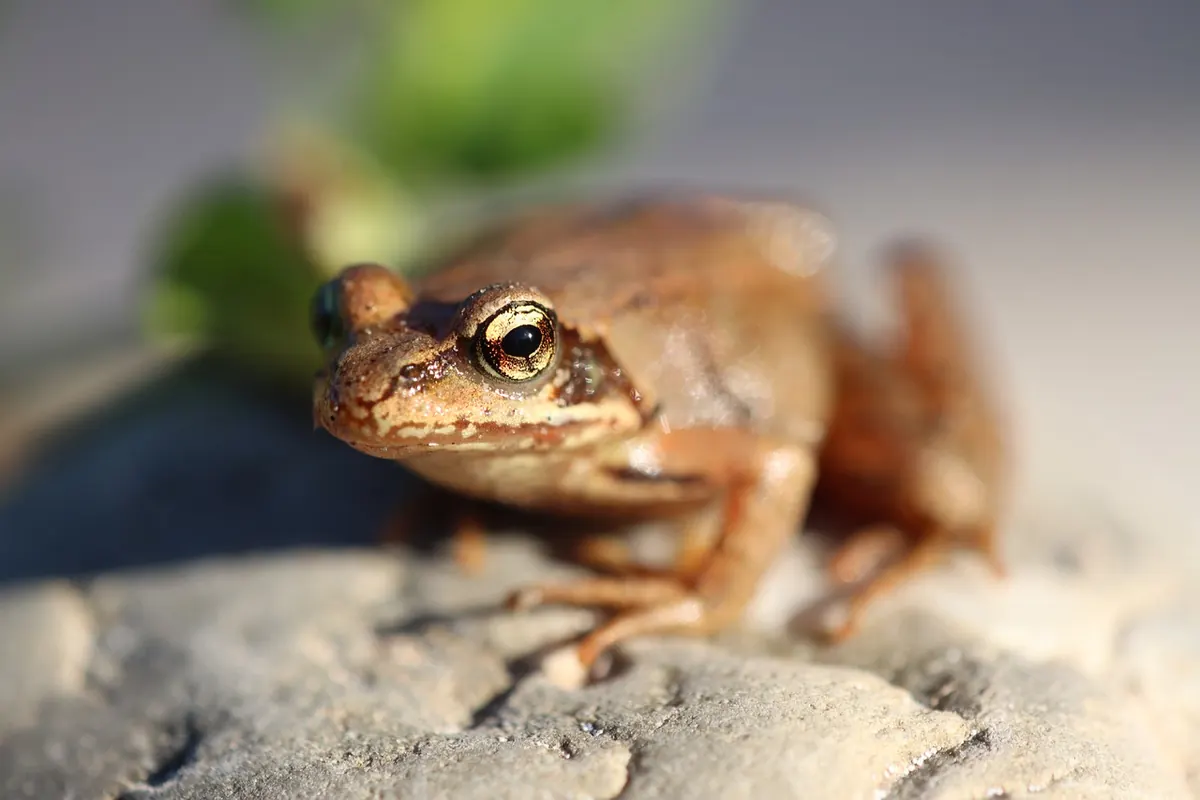
Most garden ponds are designed for looks: a rim, a drop, dark water, a couple of water lilies. Marsh ponds are designed for edges. The edge is where the life is — the shallow water that warms quickly in spring, where frogs spawn, dragonfly nymphs hunt and the first insects of the year emerge.
So make shallow water the majority of the pond rather than a token shelf. A useful target is 60–80 cm at the deepest point, with at least half the footprint under 25 cm deep. Add a boggy fringe where water sits just below the soil surface, and you have the three zones a marsh runs on: wet ground, shallow water, deeper water.
That mix also gives you insurance. A pond with a deep sump survives a hot July better than a uniformly shallow one, while broad shallows mean amphibians and insects can breed in the same water without competing for exactly the same patch. Think of it as a small landscape rather than a container.
Choosing the Spot and Digging the Levels
Choose somewhere with five or six hours of sun for the flowering marginals, though a little afternoon shade will slow evaporation and help keep algae in check. Avoid sitting the pond directly under a deciduous tree: fallen leaves rot, and roots will find any liner eventually. A spot downhill from a downpipe or rainwater butt is ideal, because top-ups become almost effortless.
Mark the outline with a hose or a length of rope and keep the curve irregular — straight edges look engineered. Dig in stages, checking the profile with a plank and a spirit level as you go, and keep the spoil. It makes a useful bank for bog planting along one side.
As you dig, firm the shelves with your hands or the flat of a spade. Loose soil slumps once the liner is in, and a shelf that looked generous can turn into a steep slide. If the ground is sandy, line the shelves with a thin layer of clay-heavy soil or dampened newspaper to stabilise them.
A simple depth plan
- Wet ground: soil level at or just below the waterline, for bog plants that like damp feet.
- 0–10 cm: the very shallow lip, where birds bathe and seedlings colonise.
- 10–25 cm: the main marginal shelf, at least 30 cm wide, taking the bulk of your planting.
- 25–45 cm: a second shelf for submerged and floating-leaved plants.
- 60–80 cm: a small sump, no more than a third of the pond, where frogs and newts can overwinter below the ice.
Lining and Filling
Remove stones and roots, then lay a geotextile underlay or a couple of layers of old carpet. Butyl or EPDM rubber lasts for decades and lets you keep the shelves and curves. Run the liner 30 cm past the edge, dig a shallow trench around the perimeter, tuck the surplus in and backfill with soil and turf so the edge disappears.
Fill with rainwater from a butt or a diverter. Tap water carries nutrients that feed algae, and its chlorine does little for the invertebrates you are hoping to attract. Trickle the water in over a sack or a sheet so the liner settles without deep creases, and expect the pond to look cloudy for a week or two. Leave it alone; it clears.
If you must use tap water, let it stand in an open butt for a few days and add a chlorine remover before it goes in. It is not perfect, but it is better than a sudden hose-fill that leaves the water green and lifeless for weeks.
Planting the Margins with Native Species
Plant in spring or early autumn, when roots are active but the heat has gone. Aim to cover 30–50 per cent of the water surface, and always leave some open water — a pond that closes over completely loses much of its value.
Reliable natives for a marsh-style edge:
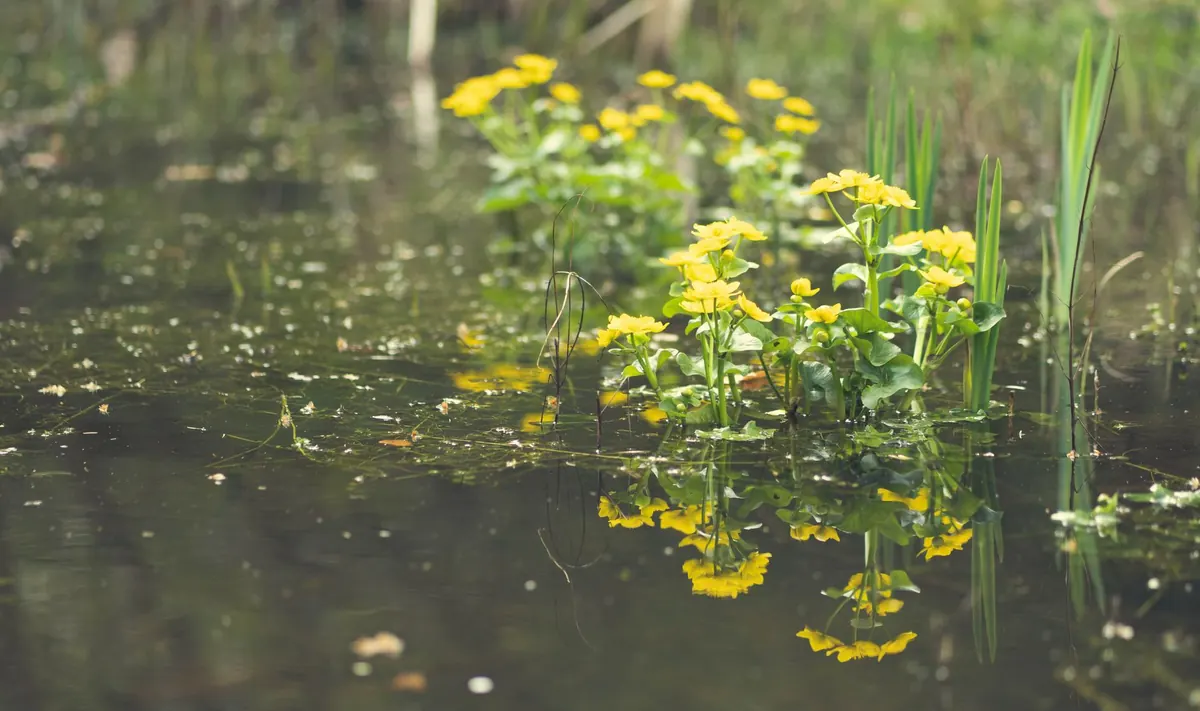
- Marsh marigold (Caltha palustris) — yellow flowers in early spring, when little else is out.
- Water mint (Mentha aquatica) — aromatic, good for nectar, spreads steadily.
- Ragged robin and water forget-me-not — modest plants that fill gaps without taking over.
- Soft rush and sedges — vertical structure for damselflies to perch and emerge on.
- Brooklime — creeping and evergreen, useful on wet ground above the waterline.
- Purple loosestrife and yellow flag iris — striking, but vigorous; give them room or plant them in a basket.
- Hornwort and water starwort — native submerged plants that oxygenate without needing soil.
Plant into a low-nutrient substrate, or into baskets topped with gravel. Skip the compost-rich mixes and fertiliser tablets: in a small pond, extra nutrients mean blanket weed. Check before you buy, too — several invasive non-native aquatics, including floating pennywort, parrot's feather, water fern and New Zealand pigmyweed, are illegal to sell or plant in the wild in many regions and can smother a pond within a season. If in doubt, stick to native species and never tip aquarium plants into the water.
Adding the Small Details That Make a Marsh Work
Natural marshes have gentle exits. Add a ramp of stones, a piece of rough timber or a shallow gravel beach at one end so hedgehogs, frogs and even the occasional thirsty bird can climb out. A steep-lined pond is a trap, not a habitat.
Leave a few stones, log piles and patches of long grass around the edge. They give amphibians somewhere damp to hide between visits and insects a place to shelter over winter. If you have space, sink a small tray of wet soil beside the pond and plant it with marsh marigold, brooklime and sedges; it will blur the boundary between water and garden in the way a real marsh does.
“The best wildlife ponds look a little unfinished,” one amphibian surveyor told me. “If it looks like someone could still be digging it, the frogs will love it.”
Maintaining a Marsh Pond Through the Year
Marsh ponds need less maintenance than a formal pond, but they do need timing. In spring, clear away dead stems from the previous year, but leave some standing until late April so emerging insects can use them. Remove blanket weed by hand in May and June rather than reaching for chemicals; a garden fork twisted through the water is often enough.
In summer, keep an eye on water levels. A marsh pond can drop by 10–15 cm in dry spells, which is normal, but don't top it up with tap water unless you have no alternative. In autumn, net out fallen leaves before they sink. They feed the pond a little, but too many will turn the water black and starve it of oxygen. Leave the marginal plants standing over winter to provide cover and seed heads for birds.
Every few years, in late summer, thin vigorous plants such as yellow flag iris and purple loosestrife. Lift a basket, divide the roots and replant a smaller piece. This is also the moment to check that the deep sump is still open and that the shallow shelves are not completely covered in silt. A marsh is always changing; your job is only to steer it, not to freeze it.
What to Expect in the First Year
The first season will look messy. Water may go green, then clear. Blanket weed may arrive, then recede as plants take up nutrients. Frogs often find a new pond within weeks, while dragonflies and damselflies may take a year or two. By the second summer, the edges should be full of movement: water boatmen rowing across the shallows, damselflies perched on rush stems, and the first marsh marigold flowers opening above the waterline.
That is the point of mimicking a marsh. You are not building a display; you are making a place where water, soil and plants can argue over the boundary. The argument is what brings the wildlife in.
Photo: Pixabay / Pexels